Remote work made you productive. It also made you lonely.

Remote work is genuinely more productive. Studies consistently put the gain at 35-40%. No commute, fewer interruptions, more control over your environment.
That part is real. The other part is also real.
The number nobody leads with
A 2026 ScienceDirect study found that 20% of fully remote workers experience loneliness. Not occasionally - as a persistent, defining condition of their work life.
51% report their relationships with coworkers outside their immediate team have weakened. 68% of managers cite maintaining social connection as one of their top challenges.
These aren't people who are unhappy with remote work. Most of them prefer it. They're productive and lonely at the same time.

What the office did without you noticing
In an office, connection happens by accident. You walk past someone's desk and ask how their weekend was. You overhear a conversation and learn something. You're refilling your coffee at the same time as someone from a different team.
None of it feels like "social bonding." It's ambient. It costs nothing. And it adds up.
Remote work eliminates all of it. The only social contact you get is the kind you deliberately schedule - meetings, Slack threads, async comments. Which means if you don't actively create connection, you get none.
Most developers don't actively create it. We're focused on the work.
Why this matters for your output
Loneliness isn't just a mood problem. Chronic loneliness affects sleep, raises cortisol, and impairs executive function. You make worse decisions, solve problems more slowly, and have less capacity to do the kind of deep creative work that separates good code from great code.
The productivity gains from remote work are real. But they're being quietly eroded by something that's hard to measure until it's already a problem.
The fix isn't more Zoom calls
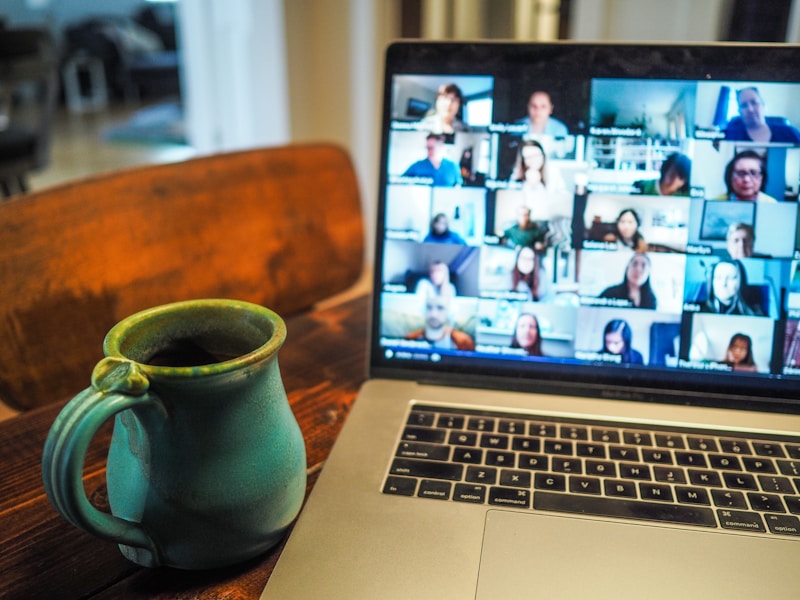
Forced social events don't work. Nobody feels less lonely because they attended a virtual happy hour.
What actually works is the same thing that worked in the office: small, low-friction moments of contact. A quick async check-in when you start a work block. A shared break rhythm where the whole team steps away at the same time. Even just letting people know you're taking a break and you'll be back in fifteen minutes.
The goal isn't deep conversation. It's ambient presence. The signal that other humans are also working, also pausing, also here.
I built the Movedoro break timer to enforce movement breaks during Pomodoro sessions. But teams that run it together get something extra: a shared rhythm. The break fires for everyone at the same time. People step away, stretch, come back. It's a tiny thing. It's also the closest thing to office ambient connection that I've found while working remotely.
Productive and not lonely turns out to be a design problem, not a personality problem.