Hybrid workers are healthier (it's not the meetings)

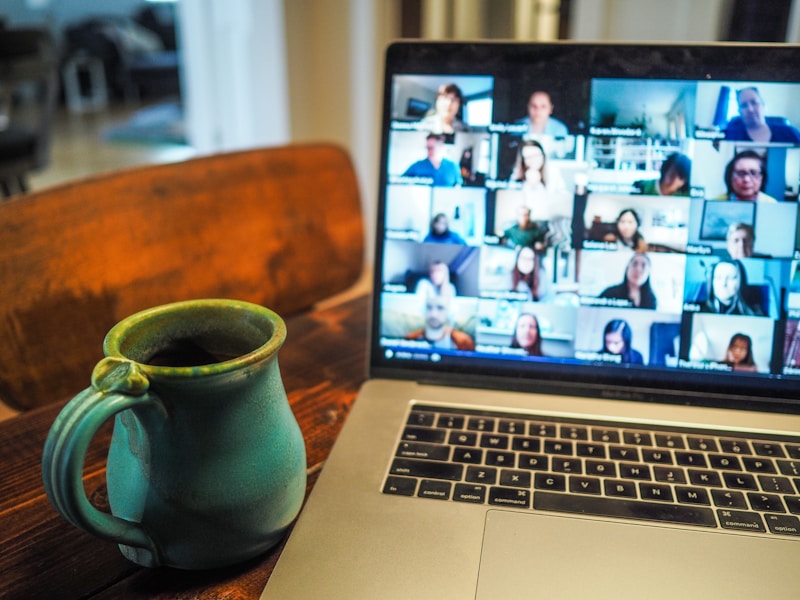
Gallup's 2026 workplace report found that 42% of hybrid workers are thriving. For fully remote workers, that number drops to 36%.
Most people assume the reason is obvious. In-person collaboration. Mentorship. Visibility. Feeling connected to a team.
Those things matter. But they're not the whole story.
It's not the meetings
Remote workers actually score higher on individual engagement than their in-office counterparts. More autonomy, better focus time, no commute stress.
What remote workers consistently miss is incidental movement.
An office day is full of small movements nobody logs as exercise. Walking to a meeting room. Going to the kitchen for coffee. Walking to a colleague's desk instead of sending a message. Bathroom breaks that cross the building.
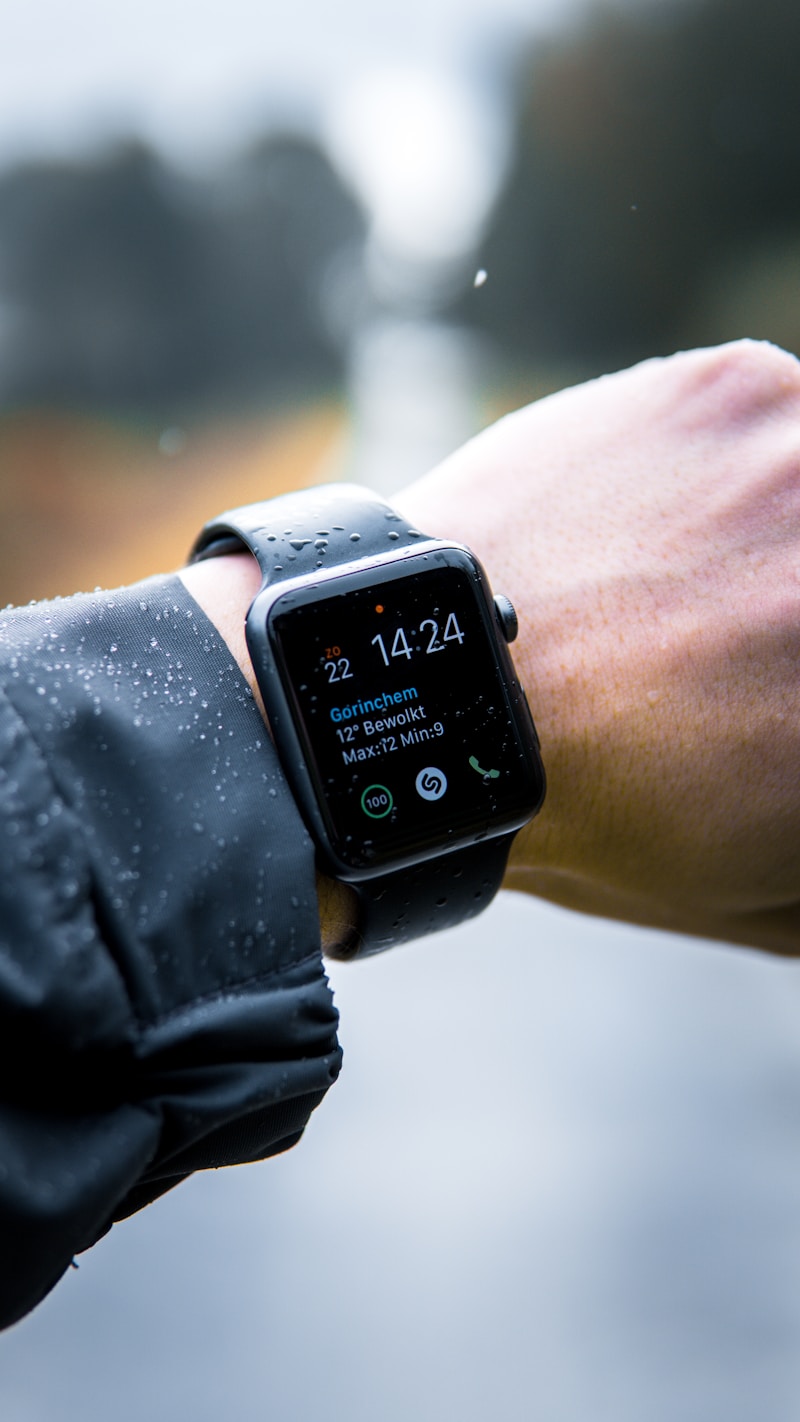
Research tracking wearable device data found that working from home reduces daily step counts by an average of 2,564 steps compared to working on-site. That's roughly 1.2 miles of walking that disappears when your commute goes from 30 minutes to 30 seconds.
You don't plan those office movements. You don't think of them as exercise. They just happen.
What your body is actually getting
The benefit isn't the steps themselves. It's that an office environment breaks up your sitting constantly.
Meeting starts, you stand up. Someone calls your name, you get up. Need to print something, you walk. Your body never sits for two straight hours at the office because the environment doesn't allow it.
Fully remote workers don't have those interruptions. You can sit from 9am to 5pm without a single reason to stand. Your bathroom is 15 feet away. Your kitchen is even closer. Nobody walks over to ask you something.

Stanford research from 2026 found that hybrid workers are 33% less likely to quit their jobs. Wellhub data shows they report significantly higher wellbeing scores than fully remote workers. The advantage isn't about ping-pong tables or free lunch. It's structural. The office forces movement. Home doesn't.
If you're fully remote
You've already given up the commute, the meetings, the open office noise. That's a good trade for most people.
But you also gave up the incidental movement without realizing it. Nobody told you that part of the deal.
The way to get it back is to build in the interruptions deliberately. Schedule breaks. Set timers. Make your computer block you until you get up.
Movedoro does exactly that. Every 25 minutes, it stops you and makes you move before you can keep working. It's the forced interruption your office environment used to create automatically - except you control what the movement looks like.
If you're not getting back to the office anytime soon, start replacing what you lost.