
Your break should make you sweat (the BDNF reason)

Your Pomodoro timer goes off. You walk to the kitchen, refill your coffee, scroll your phone for two minutes, sit back down.
That's a break. But it's leaving most of the biological benefit on the table.
The protein your break is supposed to trigger
BDNF - brain-derived neurotrophic factor - is what your brain uses to grow new neurons, consolidate memory, and sharpen focus. It's one of the main reasons exercise makes you think better after the session, not just during it.
What most people don't know: heat is one of the strongest triggers for BDNF release.
A 2025 UCSF clinical trial found that whole-body heat exposure produced clinically meaningful improvements in mood and cognitive function in 85%+ of participants. The mechanism is the same one researchers have documented in sauna users - heat stress triggers heat shock proteins, which drive a cascade that includes BDNF production.
Exercise does the same thing. But only if it actually raises your core temperature.
A coffee run doesn't cut it
A slow walk to the kitchen keeps your heart rate at resting levels. Your core temp barely moves. No thermal stress, no heat shock response, no meaningful BDNF spike.
The trigger is physiological. Your brain doesn't care that you stood up. It cares that your body heated up.
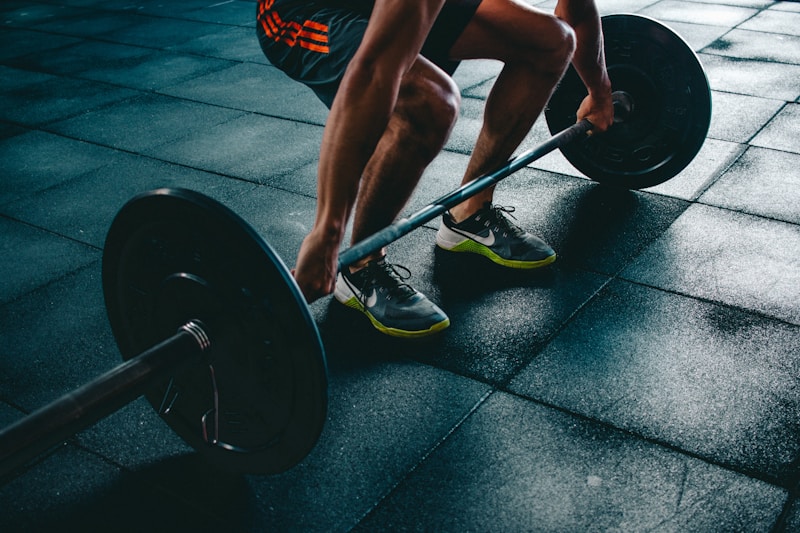
Five minutes of jumping jacks, burpees, or running in place will do it. You don't need a gym or even 25 minutes. You need enough intensity to break a sweat - or at least feel like you're about to.
Why this matters for the next 25 minutes
You're not taking breaks to feel less tired. You're taking them to be sharper for the next focused session.
If your break doesn't trigger any physiological response, it's mostly just time passing between sessions. The BDNF produced by a genuinely intense break sticks around. It improves memory consolidation, speeds up processing, and helps the prefrontal cortex - the part handling your actual problem-solving - come back online faster.
This is the reason the exercises in Movedoro are real exercises, not suggestions to do some light stretching. The goal is a measurable physiological response in 5 minutes. That's the whole mechanism.
That's pretty much it.


