Remote work gave you flexibility (and took your body's away)
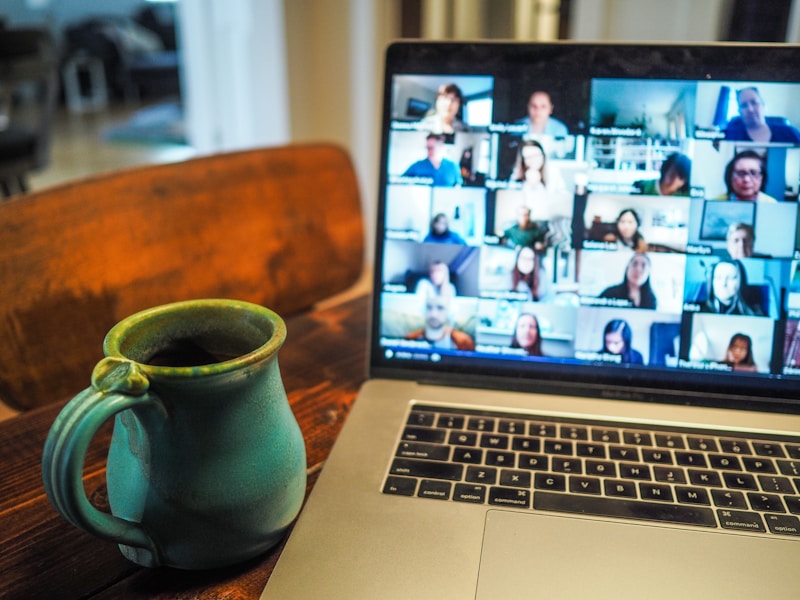
Remote work sold you on schedule flexibility. You can start at 9, take a call in your kitchen, skip the commute. Nobody tells you the trade-off: your body is quietly losing the flexibility it used to have.
A 2026 study published in the Journal of Musculoskeletal Disorders and Treatment tracked desk workers through a structured stretching intervention. 78% of participants reduced their pain. 85% improved their range of motion. Both numbers are striking not because stretching works - that part is obvious - but because they reveal how many people were walking around in pain and tightness they had stopped noticing.
You stop noticing it
At the office, your body was moving constantly without you tracking it. Walking to a meeting room. Leaning over to talk to a colleague. Going downstairs to get coffee. None of it felt like exercise because none of it was - but it was enough movement to keep your hips mobile, your shoulders loose, and your back from locking up.
Remote work removes all of that without replacing it. Your bathroom is 10 feet away. Your kitchen is 20 feet away. Meetings happen on a screen. If you don't actively move, you don't move at all.
The problem is that stiffness builds gradually. You don't wake up one day unable to turn your head. You just notice at some point that turning your head hurts a little. You adjust your chair. You assume you slept wrong. The tightness becomes your baseline, and your baseline keeps shifting.

What the body actually needs
The research doesn't recommend an hour of yoga before work. It points to shorter, more frequent interventions distributed through the day. The Stretch Zone study participants improved significantly in 30 days with targeted mobility work built into their schedule, not added on top of it.
This is the part that remote work makes easy to skip. When there are no environmental cues forcing you to move - no meetings to walk to, no colleagues to bump into - movement has to be intentional. And intentional movement is the first thing to disappear when you get busy.
The fix is a timer you can't ignore. Not a reminder you snooze. An actual pause that stops you from working until you've moved.
Movedoro does this by design. Every 25 minutes it locks your screen and asks you to move before you can continue. Use those two minutes to roll your shoulders, stretch your hips, reach overhead. You're not working out - you're undoing what the last 25 minutes did to your body.
Schedule flexibility is worth protecting. Your body's flexibility is too.