Social accountability adds 1,000 steps a day (self-tracking alone won't cut it)
You downloaded a step counter app. You checked your steps for a week or two. Then life got in the way and you stopped looking.
Sound familiar? The problem isn't that tracking doesn't work. It's that tracking alone barely works.
The tracking paradox
Most movement apps are built on the assumption that awareness creates behavior change. If you can see how little you move, you'll move more.
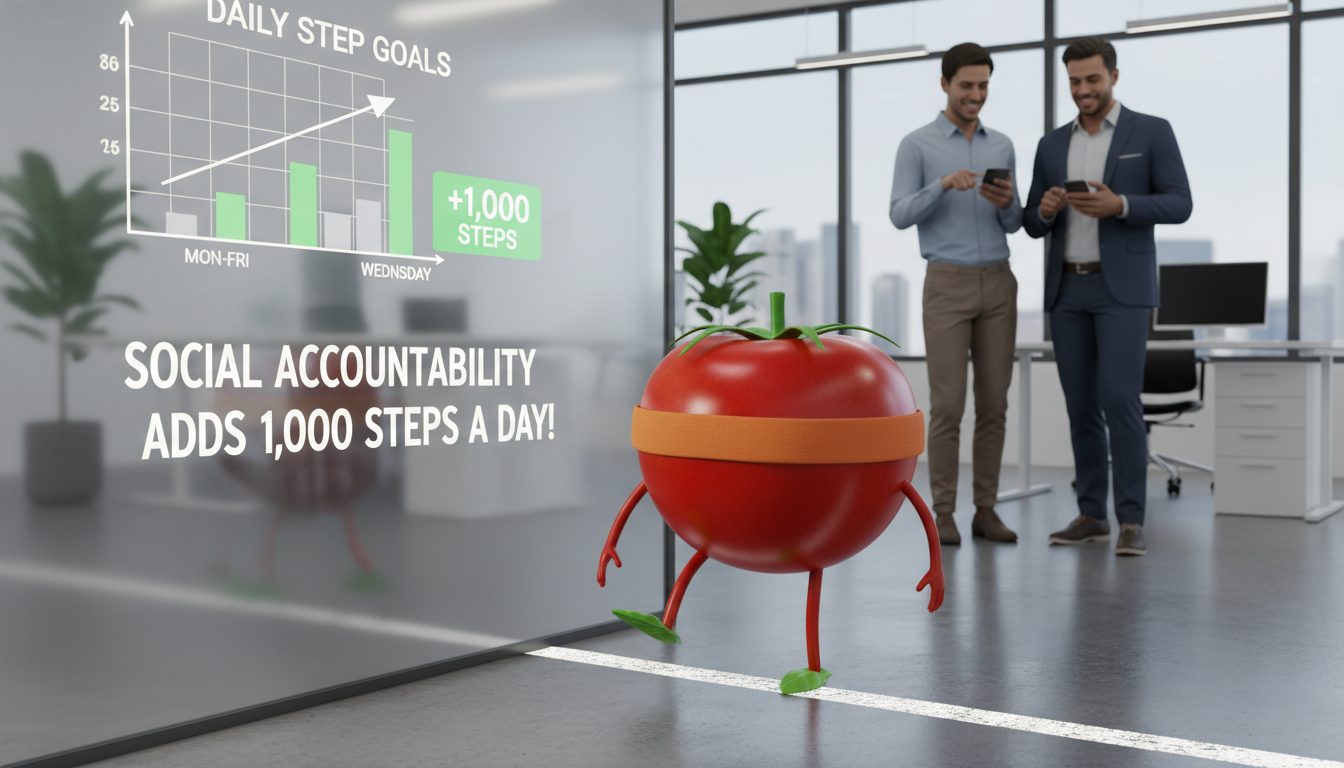
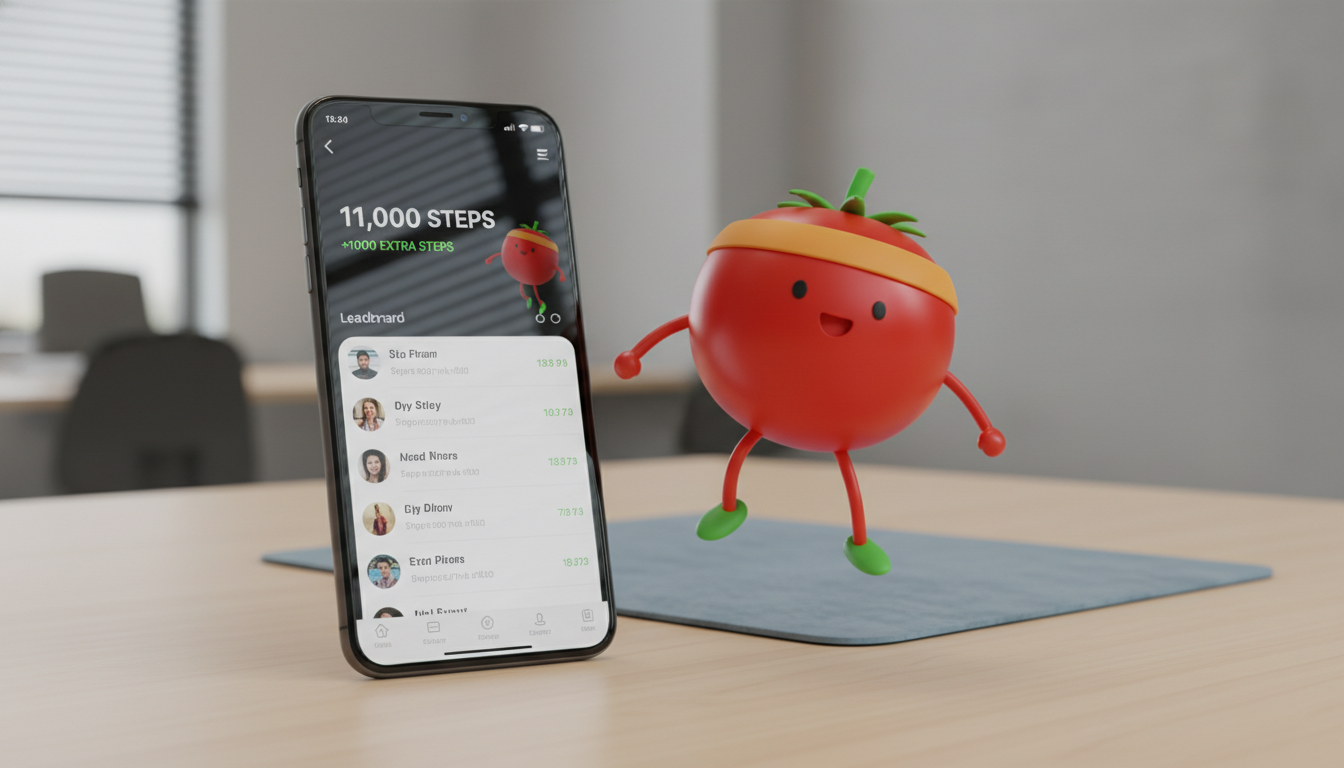
It helps a bit. But a 2026 Scientific Reports study found something more interesting: combining self-monitoring with what researchers call "psychosocial strategies" - social support, accountability to others, shared goals - adds an average of 1,056 extra steps per day compared to self-monitoring alone.
That's not a marginal improvement. At a normal walking pace, 1,000 steps is about 8-10 minutes of walking. Every single day.
Why other people matter
Self-tracking is a private loop. You see your data. You feel mild guilt. You close the app.
Social accountability changes the feedback structure. When someone else can see whether you moved, the cost of not moving goes up. It's not about judgment - most people won't actually comment on your step count. But knowing they could creates a soft social contract that makes you follow through.
This is the same mechanism behind body doubling, coworking spaces, and study groups. Presence - even ambient, silent presence - improves follow-through on tasks you'd otherwise skip.
The research puts a specific number on it for movement: 1,056 extra steps per day. That's the delta between tracking privately and tracking with people around you.
The break rhythm version of this
For developers, the hardest part of movement isn't motivation. It's interrupting work. The cost of switching context feels too high, so you sit through the whole morning and tell yourself you'll take a walk after lunch.
A shared break rhythm changes this calculus. When your team all pauses at the same time, the social cost of staying at your desk goes up. You're not interrupting flow - you're syncing with the group.
I built Movedoro to enforce movement breaks during Pomodoro sessions. But teams that run it together get the accountability layer for free. The break fires for everyone at the same time. You know your teammates are stepping away. That's enough to make you step away too.
Self-tracking tells you how little you moved. Social rhythm makes you move more in the first place.