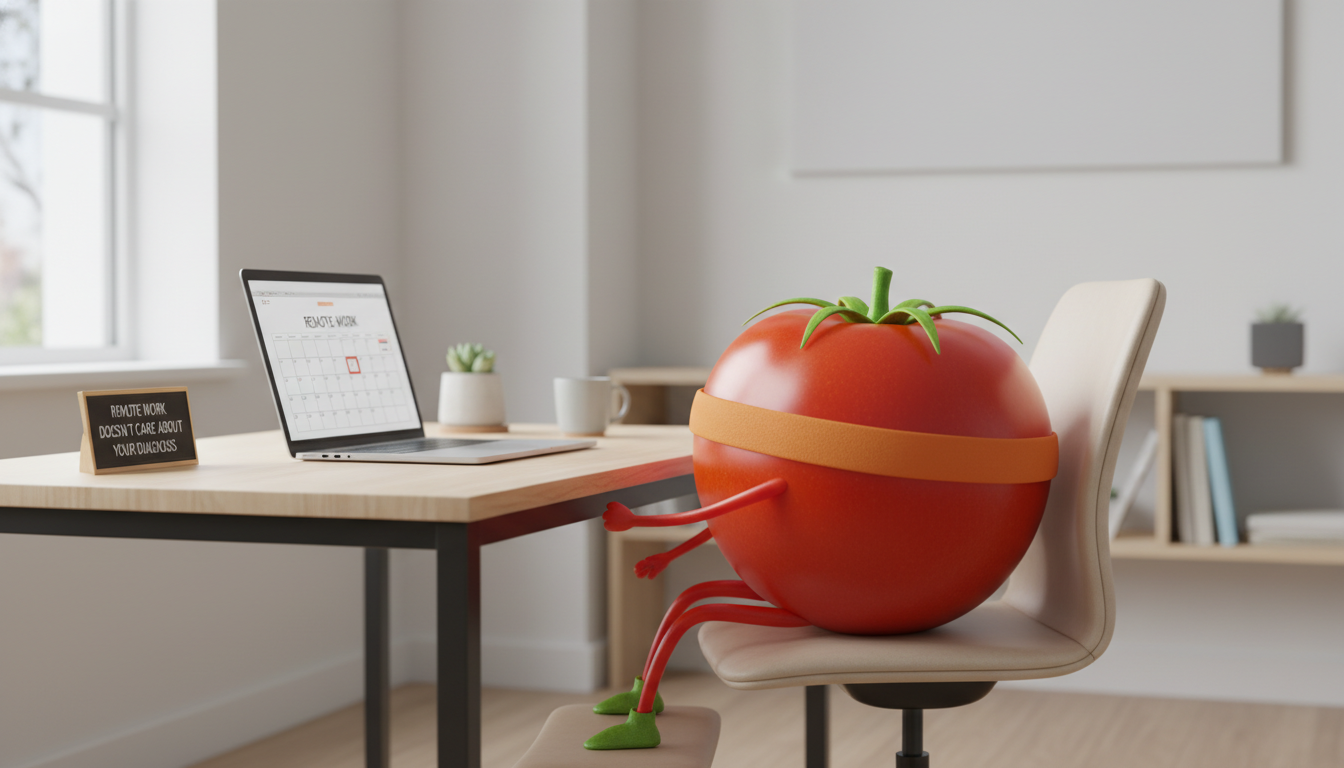
Remote work doesn't care about your diagnosis
A new Cornell study tracked remote workers across different mental health profiles. Workers with depression, anxiety, and other conditions. They measured productivity, income, and turnover.
The finding: mental health status had no bearing on any of those outcomes.
Remote workers with mental health challenges performed just as well as those without. Same productivity. Same income. Same likelihood to stay or leave.
Why this matters
There's a quiet assumption baked into a lot of workplace thinking. That mental health struggles make you less capable. That you'll underperform, call in sick more, eventually burn out and quit.
That assumption is mostly true in traditional office environments. The research backs it up.
But remote work removes several of the variables that make mental health a performance problem in the first place.
The commute. Open offices. Unpredictable social demands. The constant background noise of being observed. These aren't minor inconveniences - for a lot of people, they're the actual source of the problem.
When you strip those out, the underlying cognitive capability is still there. The work gets done.
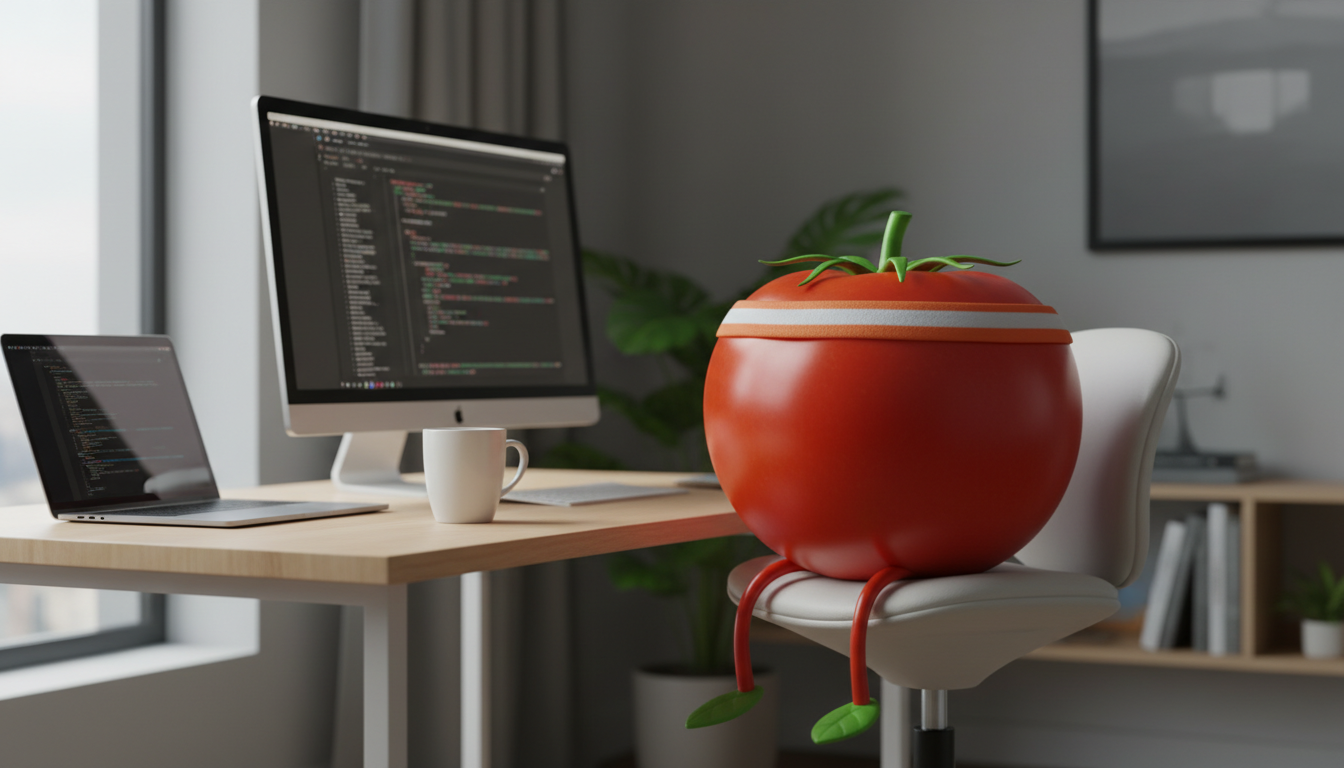
The catch
Remote work creates the right conditions. It doesn't automatically create the right habits.
Working from home without structure is its own kind of stress. No natural start and stop. No physical separation between work and rest. No built-in reason to stand up, go outside, or move your body.
The same isolation that removes office friction can also remove the involuntary breaks that kept you vaguely sane in an office - the walk to a meeting, the lunch with a colleague, the commute that forced 30 minutes of not staring at a screen.
Remote workers who thrive tend to build those breaks artificially. Scheduled movement. Hard stops. Routines that create the rhythm an office used to provide by default.
The Cornell data is encouraging - it shows that when the environment is right, mental health doesn't have to be a ceiling. But the environment has to actually be right.
That's the part worth taking seriously. Not just removing the bad inputs, but actively building the good ones.
I built Movedoro because timers that you can dismiss don't work. When the Pomodoro ends, the screen locks until you physically move. It creates the involuntary break that remote work doesn't give you on its own.
That's the structure piece. Everything else tends to follow.