89% Perform Better When They Prioritize Health. Most Don't.
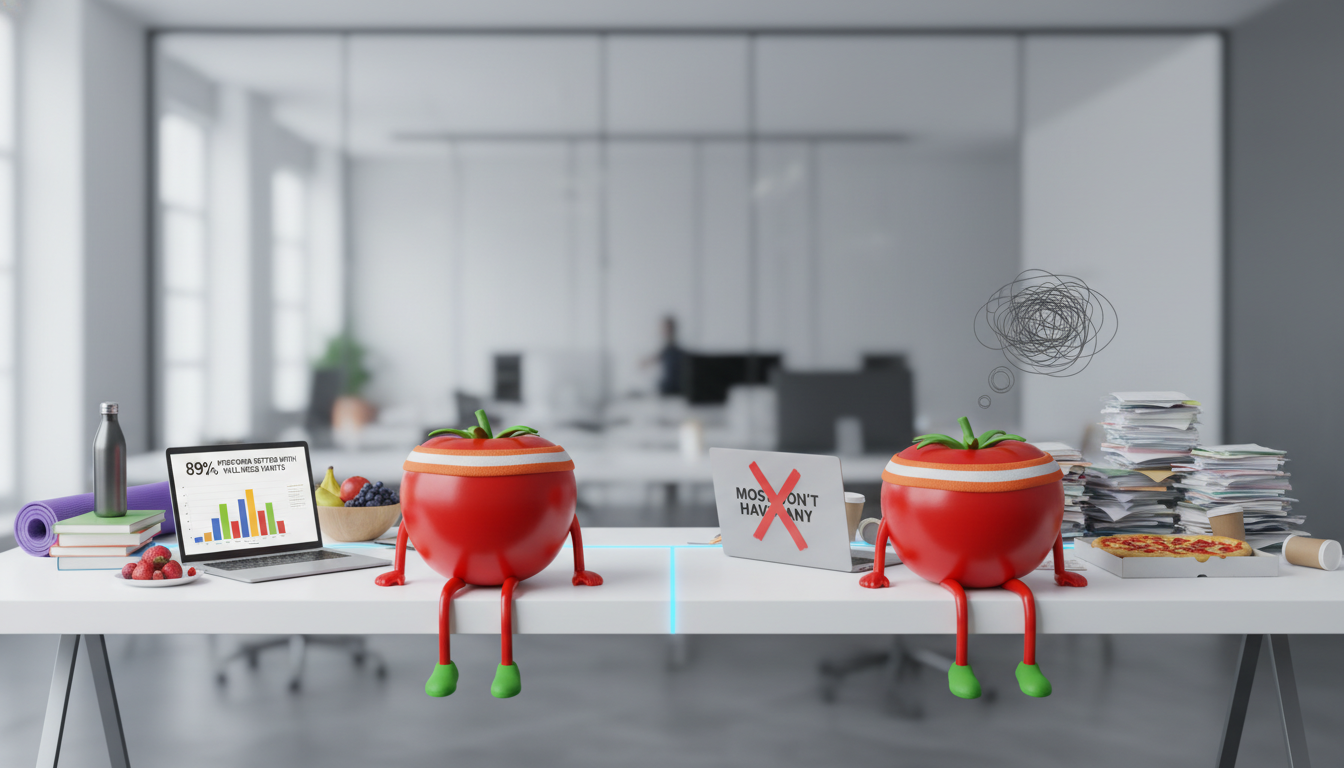
89% of workers perform better when they prioritize their health. That's from Wellhub's 2026 State of Work-Life Wellness report - 5,000 employees across 10 countries.
The number isn't surprising. What's interesting is the flip side: if 89% know this, why is 90% of the workforce experiencing burnout symptoms at the same time?
Knowing isn't the same as doing
The gap between knowing something and actually doing it is wide. Developers know they should take breaks. They know sitting for 8 straight hours degrades cognition and mood. They know movement helps focus reset.
But knowing doesn't create structure. And without structure, the default is always "just one more hour."
The human brain is excellent at justification. If the deadline is real, the break can wait. If the build is running, now is a good time to keep going. The intention to take a break survives until there's any reason at all to skip it.
The wellbeing gap is real and measurable
Wellhub's report found a 21-point gap between employees who have structured wellness programs and those who don't - 61% versus 40% reporting good overall wellbeing.
That's not from different fitness levels or different jobs. It's from having something that enforces the behavior versus relying on willpower to decide, moment by moment, whether to take care of yourself.

Structure beats intention
When wellness is optional, it gets skipped. Not because people don't care - 89% of them clearly care. But because there's always a more urgent task.
This is exactly why formal wellness programs work. They remove the decision. The behavior happens because it's scheduled, not because someone generated the willpower to choose it in the moment.
The same principle works at the individual level. A break reminder you can dismiss doesn't create structure. A timer that locks your screen until you actually move does.
The data is clear: structured wellness habits produce better performance. The workers who have them aren't more disciplined - they just built a system that makes the behavior automatic.
That's what I built Movedoro for. When the Pomodoro fires, the screen locks until you've moved. No snooze. No "I'll start after this commit." The break happens because the choice has already been made for you.
Eighty-nine percent. The information isn't the blocker. The structure is.