68% of remote workers mix personal tasks with work (it's why they're productive)
The conventional advice is: keep work and personal life separate. Block your calendar. Protect your focus time. Don't let the laundry creep in.
A March 2026 Jooble survey of remote workers found 71.5% of them do exactly what you're not supposed to do - they mix personal tasks into their workday. And 67.8% of those same workers report being more productive working remotely than they ever were in an office.
These two numbers don't contradict each other. They explain each other.
What "task mixing" actually looks like
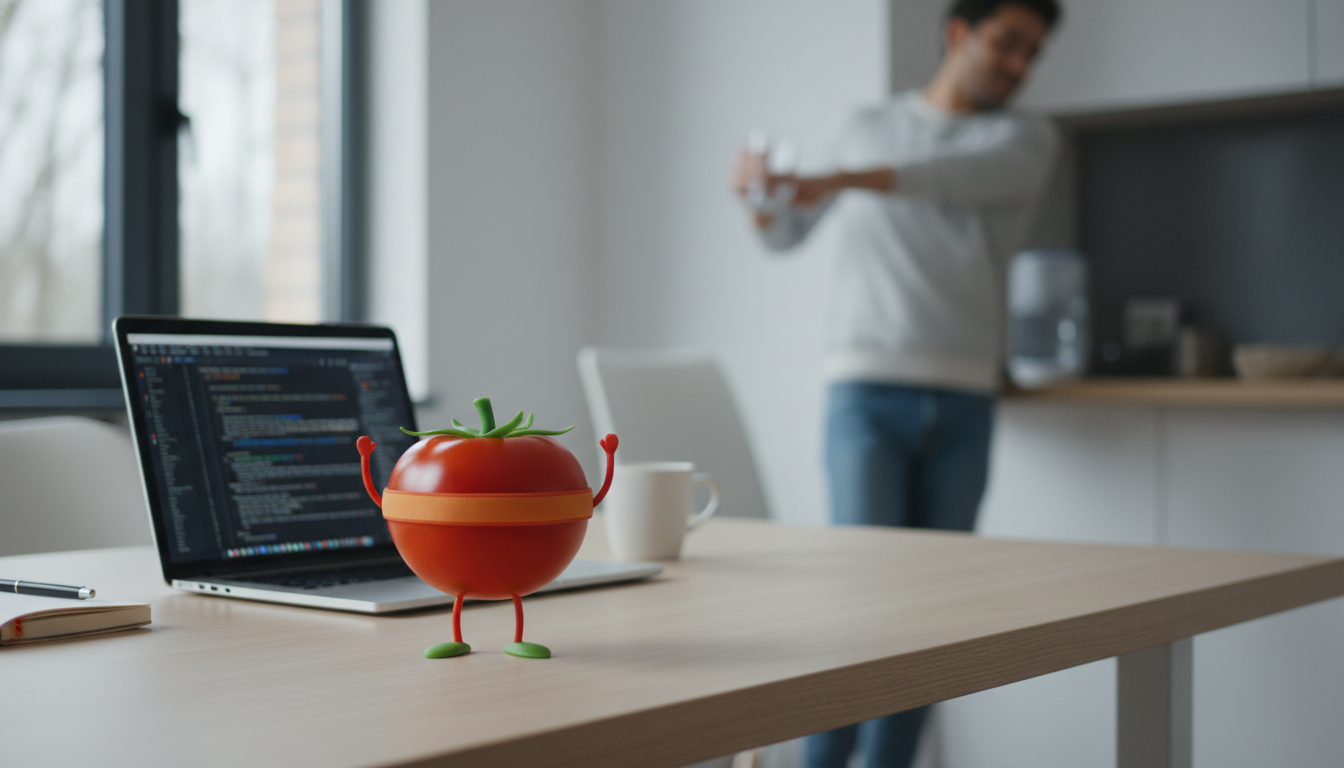
It's not scrolling social media between meetings. It's getting up to start a load of laundry while a build runs. Walking to the kitchen to refill your water when you're stuck on a problem. Taking the dog out for ten minutes after finishing a PR review.
These aren't distractions. They're movement breaks with a cover story.
In an office, you sit for 8 hours. You can't pop out to your kitchen. You can't take a short walk around the block mid-afternoon without it looking weird. The environment forces you to stay planted.
At home, the environment naturally prompts movement. The friction is gone.
Why it works
Short physical breaks - even 3 to 5 minutes - restore the kind of attention that sustained desk work depletes. You come back to the screen with a slight reset. Problems that were stuck sometimes unstick on their own while you were folding shirts.
This isn't speculation. Columbia University researchers found that 5-minute walks every 30 minutes reduced cognitive fatigue and improved sustained attention throughout the day. Remote workers who mix tasks are doing an improvised version of this, unintentionally.
Office workers don't have that option. They power through, and their focus degrades steadily across the afternoon.
The intentional version
Accidental movement breaks work, but they're uneven. Some days you move constantly. Others you get into a coding tunnel and don't get up for four hours.
The difference between accidental and intentional is structure. When breaks happen at a consistent rhythm rather than whenever you remember, the cognitive benefits stack reliably instead of randomly.
That's the version I built Movedoro for. It forces the break rhythm during Pomodoro sessions so you get the micro-recovery that remote workers stumble into naturally - on purpose, every time.
Mixing tasks isn't the point. Moving is. Remote work just happens to make it easier to do both.