3 grateful thoughts during your break boost performance all week

Most people treat breaks as the absence of work. New research suggests your break is actually an opportunity to improve the work that comes after it.
What the research found
A 2026 longitudinal study published in ScienceDirect looked at trait gratitude and employee performance across time. The results were clear: gratitude positively predicted task performance both in the moment and over subsequent weeks.
That's not a soft correlation. The researchers found that gratitude prevents amotivation and promotes more autonomous, self-directed forms of motivation. Grateful employees perform better partly because they want to give back - to their team, their work, themselves.
A separate study from Indiana University used fMRI scans to measure what happens in the brain when people write gratitude letters. Brain changes from the practice were still measurable months after the study ended. A single session had lasting effects on neural activity in the prefrontal cortex - the part of your brain that handles planning, focus, and decision-making.
Why this connects to your break
The neuroscience isn't complicated. Gratitude activates the same dopamine and serotonin pathways that exercise does. It lowers cortisol. It shifts your brain's threat-detection system into a lower gear, which frees up cognitive resources for actual thinking.
When you use a break to scroll Twitter or Slack, your brain stays in reactive mode. You're still processing input. The mental load doesn't reset.
Three sentences of genuine gratitude - written, not just thought - force a different kind of cognitive shift. You're not consuming. You're reflecting. The prefrontal cortex re-engages. You go back to the work with more capacity than you left with.
What to actually do
You don't need a journal. You don't need an app. You need thirty seconds and something to write on.
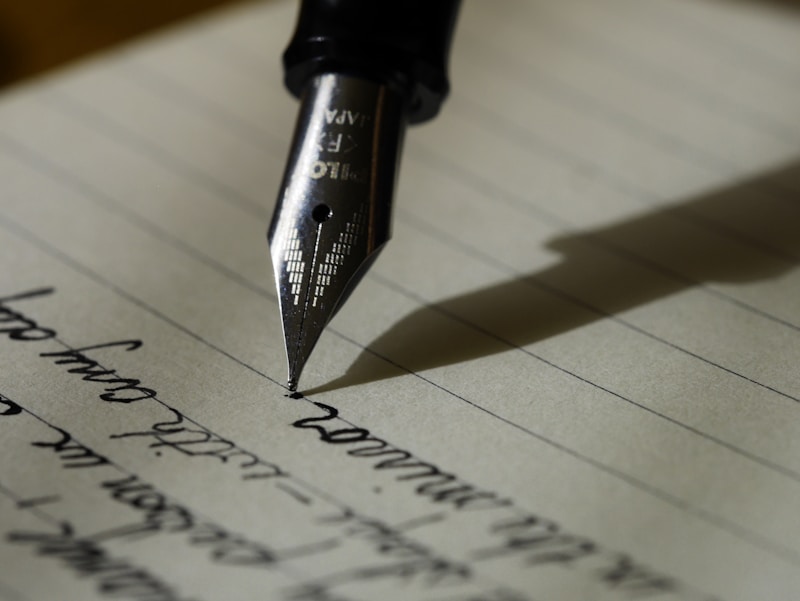
During your next break, write three things. They don't have to be profound. "This bug I fixed yesterday actually held." "The coffee this morning was good." "I got a clear spec for once."
Specificity matters more than magnitude. The research consistently shows that vague gratitude ("I'm thankful for my job") is far less effective than concrete, story-based gratitude. Small and specific beats big and abstract.
Do it at the start of your break. Then move - walk, stretch, whatever. The movement and the gratitude aren't competing. They compound.
Movedoro fires a break timer on a Pomodoro schedule. That's already the prompt you need. Use the first minute of the break to write three specific things. Use the rest to move. The research says both actions are shaping your cognitive performance for the next hour.
That's pretty much it.