Your phone on your desk is quietly draining your focus
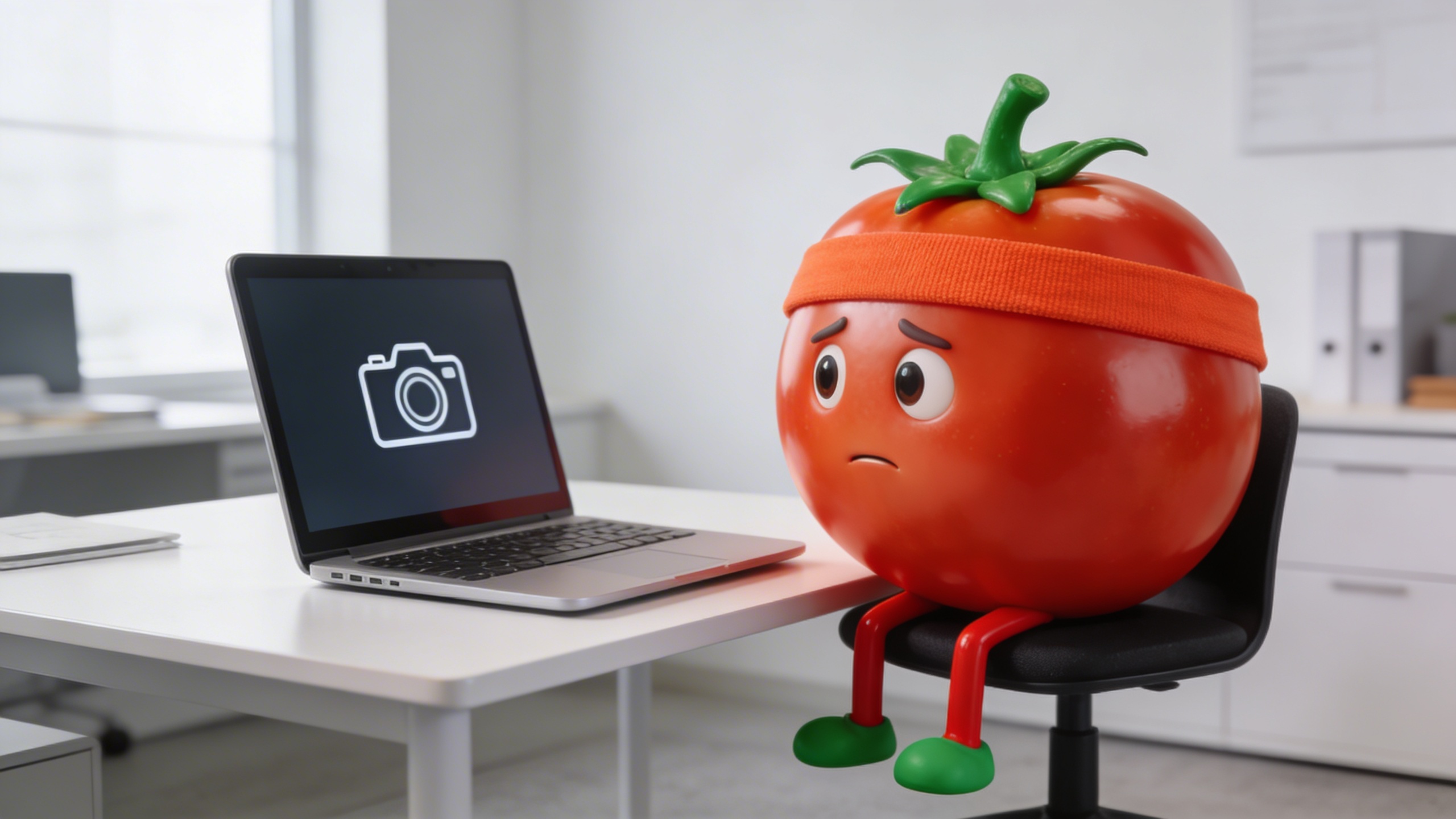
Your phone is probably sitting on your desk right now. Even if it's face-down and silent, it's still costing you cognitive capacity.
The brain drain effect
In 2017, researchers at the University of Texas at Austin ran a simple experiment with 800 participants. Some had their phones on the desk face-up, some in a pocket, some in another room. All were told to silence their phones and focus on cognitive tests.
The group with phones in another room outperformed everyone else - including the pocket group.
A 2023 meta-analysis confirmed this specifically for working memory. Your phone doesn't need to interrupt you to cost you. Its physical presence is enough.
The mechanism is subtle. When your phone is nearby, part of your brain maintains a low-level readiness to respond to it. Resisting the urge to check - even unconsciously - occupies working memory. You think you're focused. You're also running a background process the whole time.

The discipline trap
Most people treat discipline as willpower - resisting the urge to scroll while leaving the phone in reach. That's the worst strategy.
Every minute you spend "not checking" your phone, you're spending attentional resources maintaining that restraint. It's invisible work. The cognitive tests show it clearly: out of sight is genuinely out of mind in a way that affects performance.
Your brain doesn't distinguish between "thinking about code" and "actively suppressing the urge to look at that notification." Both consume working memory.
The easiest fix
Put your phone in another room before you start a work session. Not face-down, not in a drawer - another room.
If that sounds extreme, try it for one focused session and notice whether you feel less mentally fatigued by the end. Most people notice a difference faster than they expect, not because the phone was interrupting them, but because they stop spending cognitive energy on suppression they weren't even aware of.
This is also one reason movement breaks work better when you actually leave your desk. You don't just get the blood flow benefits. You get physical separation from every screen and device in your workspace. Two minutes of movement in your kitchen is a different recovery experience than two minutes sitting in the same chair next to the same phone.
That's part of what I built into Movedoro. Movement breaks only work if you actually move - and moving means leaving the desk behind.
That's pretty much it.