Your Attention Span Is Now 40 Seconds (Here's What That Means)
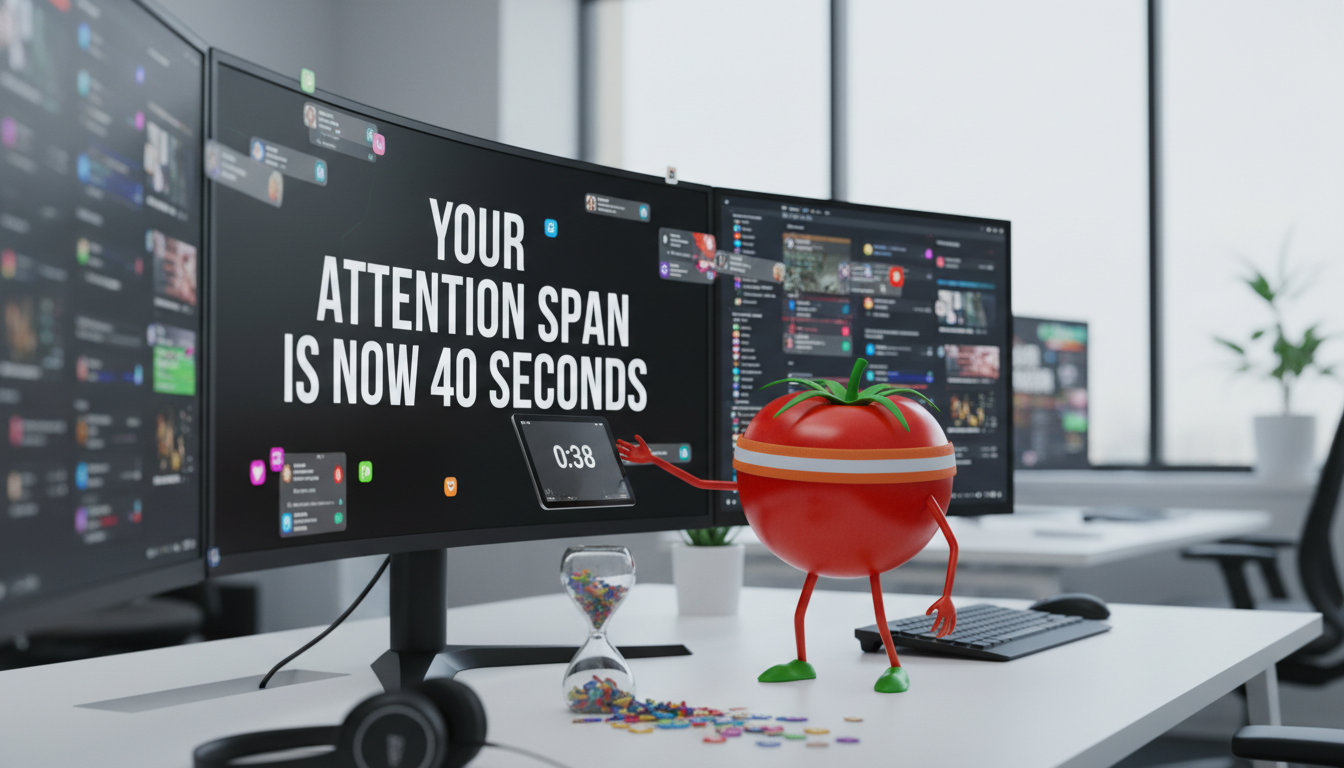
Your attention span used to be 2.5 minutes.
Now it's 40 seconds.
That's what National Geographic reported in 2026. And UC Irvine research backs it up. Developers self-interrupt every 47 seconds on average.
You're not distracted. You're fragmented.
Why This Matters
You think you're multitasking. You're coding, you check Slack, you jump to a different function, you click a notification.
But your brain isn't switching tasks. It's resetting every 40 seconds.
The research is clear. Every time you interrupt yourself, your stress goes up. Your error rate increases. Your actual productivity tanks.
And here's the thing. You don't notice it happening. Because 40 seconds feels normal now.
What Broke Your Brain
It's not just social media. It's everything.
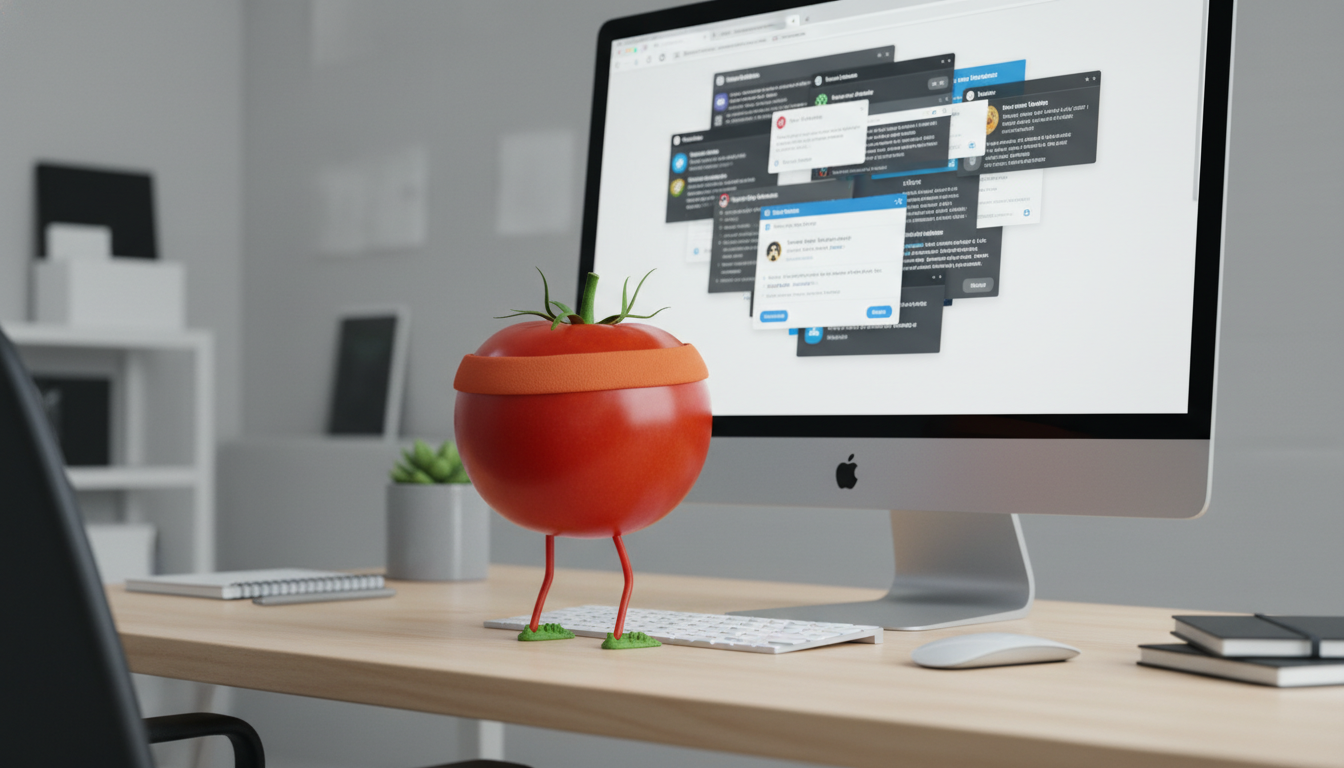
You've got Slack pinging you. Email notifications. GitHub. Discord. Your phone. Your IDE throwing warnings. Multiple browser tabs auto-refreshing.
Your environment trained your brain to expect interruptions. So now you create your own interruptions even when nothing pings you.
UC Irvine found that people spend less than a minute on any single task before moving to something else. Not because they finished. Because their brain is looking for the next hit of stimulation.
The Fix Nobody Talks About
Georgetown research showed that digital detoxes improve attention by 20%. When participants cut off internet access completely, their anxiety dropped and their focus came back.
But you can't unplug for a week. You have deadlines. You have Slack DMs. You have a job.
So here's what actually works. Movement breaks.
Why Movement Resets Your Brain
When you move your body, your brain stops scanning for interruptions. You can't check Slack while doing squats. You can't scroll Twitter during pushups.
Movement forces a real context switch. Your brain shifts from fragmented attention to physical activity. And when you come back, you're not picking up where you left off in the chaos. You're resetting.
Research shows that even 2 minutes of movement can restore cognitive function. Not meditation. Not breathing exercises. Physical movement.
The Movedoro Approach
I built Movedoro because my attention span was destroyed. I'd sit down to code and check three different things before writing a single line.
Every 25 minutes, the app locks your screen. You do squats or stretches for 2 minutes. Then you come back.
It forces the break before your brain fragments again. And when you sit back down, you actually focus instead of bouncing between tabs.
Your attention span didn't break overnight. It won't fix overnight. But movement breaks interrupt the pattern before it gets worse.
That's it.