The coding playlist hurting your focus
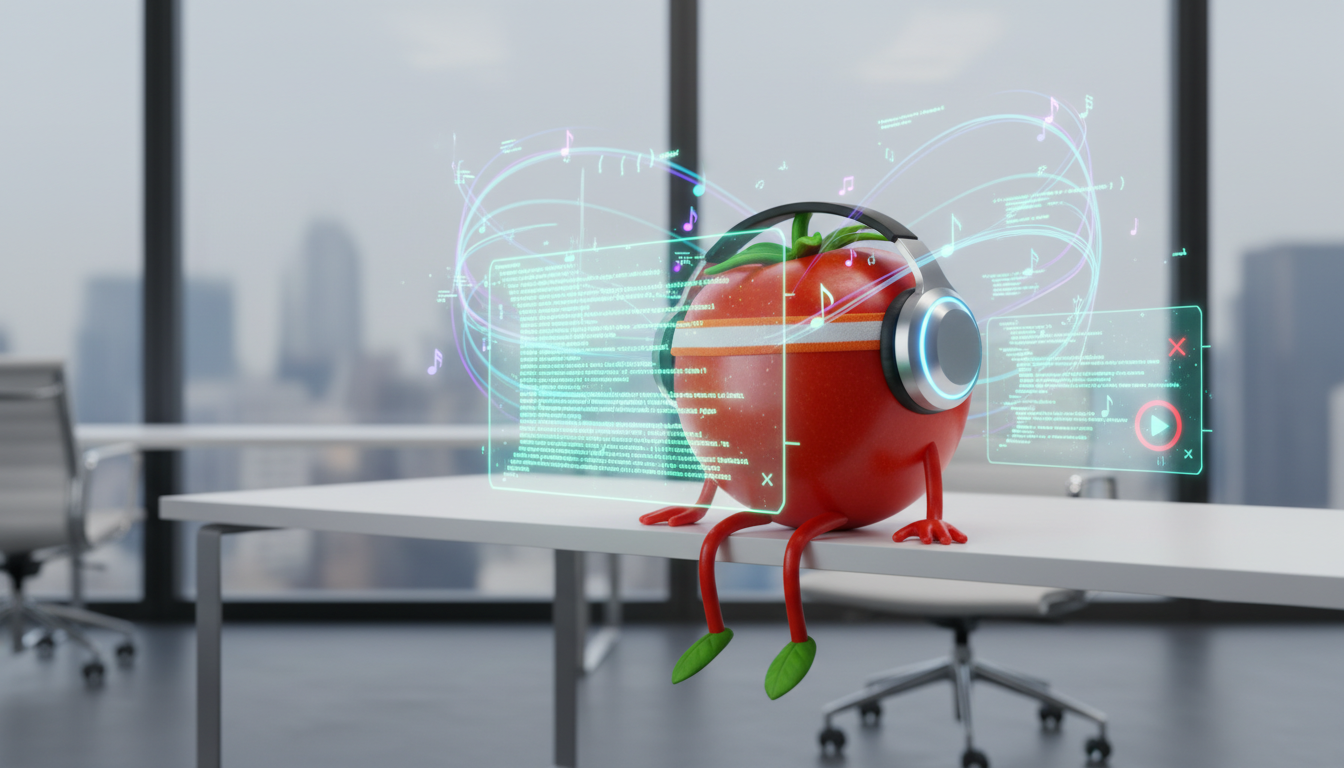
Most developers code with music. It feels good. It feels productive. A new study suggests that feeling is probably misleading you.
What the research actually found
A study published in PLOS One in February 2025 tested four audio conditions during complex cognitive tasks: work flow music, deep focus music, pop hits, and office noise.
Only one condition improved both mood and performance: work flow music. And 76% of participants in that group got progressively faster while maintaining accuracy.
The others - including pop music and high-arousal tracks - either had no benefit or actively hurt performance. High-arousal music made things measurably worse.
What "work flow" music actually means
It's not lo-fi. It's not your favorite playlist. Work flow music has specific characteristics: steady rhythm, simple melodies, no lyrics, no sudden changes in melody.
The researchers were direct about why lyrics are a problem. When you're processing complex code, your working memory is already under load. Language processing and comprehension compete for the same cognitive resources. Every lyric you're "not really listening to" is still consuming capacity you need for the actual task.
Lo-fi is popular and feels less distracting than pop - but the research puts it in the middle tier, not the top. Pleasant, but not meaningfully better than silence for complex work.

What changes if you take this seriously
You probably can't switch your entire playlist overnight. The study also found something useful here: familiar music performs better than novel music, because new music demands more cognitive attention.
The practical version is simpler than it sounds. Instrumental with a consistent rhythm during focused sessions. Video game soundtracks work well - they were literally designed to be engaging without stealing your attention. Movie scores too. The bar is: no words, no dramatic shifts.
The interesting part of the research is what it says about the gap between how productivity feels and what's actually happening. High-arousal music makes you feel alert and energized. That feeling is real. The performance data says it's not translating into better work on complex tasks.
One thing worth trying
During a Movedoro break, switching your audio environment is a low-friction experiment. Start a focus session with instrumental work flow music instead of your usual playlist. See if the next 25 minutes feels different.
The session after a break is when the effect is most noticeable anyway - you're starting fresh, and whatever audio you prime that session with has more influence than the one you're grinding through at hour three.
That's pretty much it.