Quiet Burnout: You Look Productive But You're Running On Empty
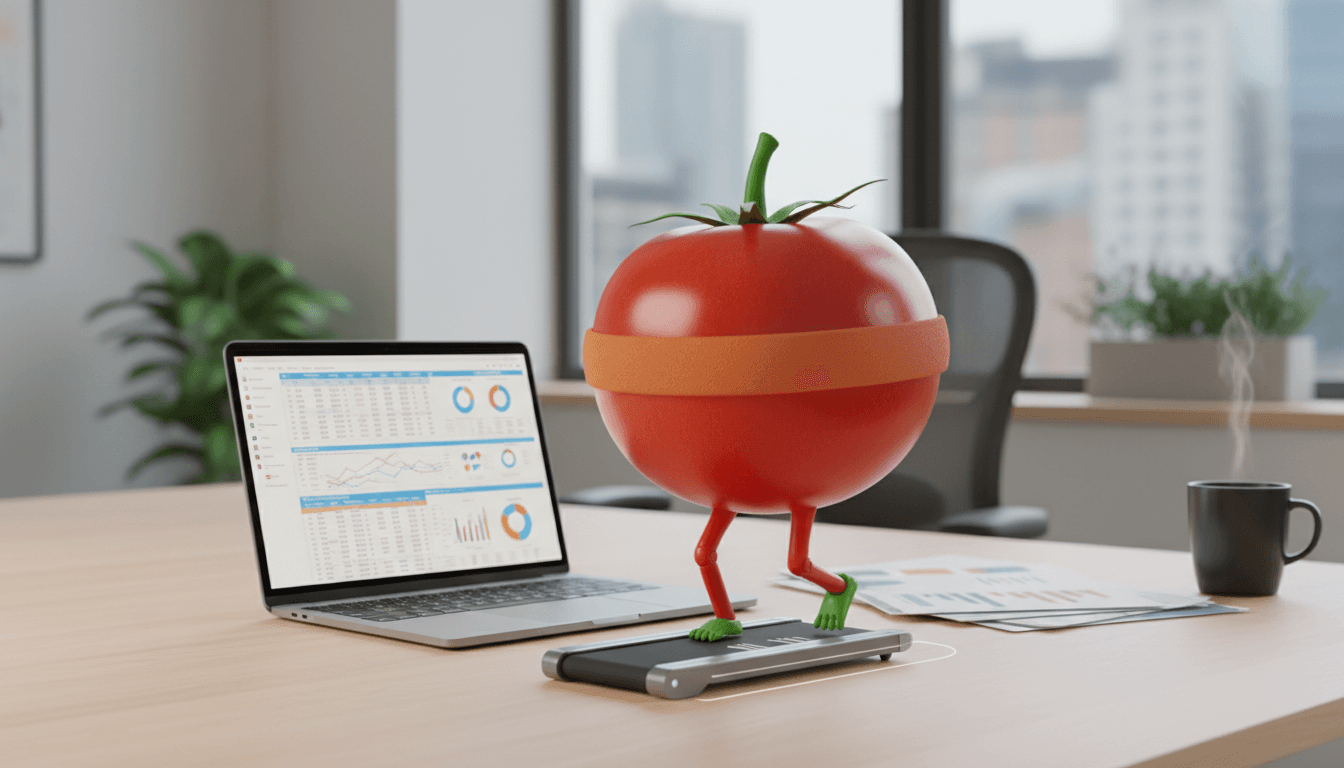
You're shipping code. Answering Slack. Hitting deadlines.
On the surface, you look productive.
But you're emotionally exhausted. You feel nothing. You're just going through the motions.
That's quiet burnout. And it's the biggest workplace trend in 2026.
The New Kind Of Burnout
Traditional burnout is obvious. You can't get out of bed. You miss deadlines. You snap at coworkers.
Quiet burnout is different. You show up. You look engaged. You're even hitting your metrics.
But inside, you're running on empty.
Research shows that 83% of workers are experiencing at least some degree of burnout. But quiet burnout is harder to detect because you're still performing.
You're not calling in sick. You're not complaining. You're just emotionally detached while appearing fully functional.
Why It's Worse
When burnout is visible, people get help. Managers notice. Systems adjust.
Quiet burnout flies under the radar. You're productive enough that nobody checks on you. You're engaged enough that you don't qualify as "struggling."
So you keep going. And going. Until something breaks.
The average office worker is only productive for 2 hours and 23 minutes each day. The rest is spent in meetings, on distractions, or forcing yourself through tasks while your brain runs on fumes.
That's not a productivity problem. That's an exhaustion problem masked as normal work.

What Causes It
Quiet burnout builds slowly. You take on one extra project. You skip a few breaks. You work through lunch to stay on top of things.
None of it feels extreme. But it compounds.
Your nervous system stays activated. Your brain never fully recovers. And you stop noticing how drained you are because "drained" becomes your baseline.
Only 21% of employees globally are engaged at work. The other 79% are either quiet quitting or quiet burning out.
The financial cost? $8.8 trillion in lost productivity globally. That's 9% of global GDP.
The Break You're Not Taking
You know breaks help. But you don't take them.
You're in the middle of debugging. You'll take a break "after this." Three hours later, you're still at your desk and your brain is fried.
Research shows that microbreaks increase productivity by 12.8%. Two minutes of movement every 30 minutes reduces stress by 17% and boosts concentration by 22%.
But quiet burnout convinces you that you don't have time for breaks. So you push through. And you get less productive while feeling more exhausted.
What Actually Works
Movement resets your nervous system. Not a yoga class. Not a meditation app. Just two minutes of physical activity.
When you move, your brain gets oxygen. Your stress hormones drop. And you come back to your desk with actual cognitive capacity instead of forcing yourself through another hour of fog.
Studies show that employees who take regular microbreaks report higher job satisfaction and significantly lower stress. Not because they're working less. Because their brains are recovering.
The Movedoro Approach
I built Movedoro because I was stuck in quiet burnout. I looked productive. But I was emotionally done.
Every 25 minutes, the app locks your screen. You move for two minutes. Squats, stretches, walk around.
It forces the break before you realize how burned out you actually are. And when you come back, you're not running on empty anymore.
Quiet burnout happens because you ignore your body until it shuts down. Movement breaks interrupt that cycle before it gets dangerous.
That's it.


